A Complete Guide for Motors Used in HVAC Dampers & Actuators
Learn about HVAC damper actuator motors, including types, torque selection, control signals, and maintenance best practices for efficient airflow control.
What Are HVAC Dampers and Why Do Motors Matter?
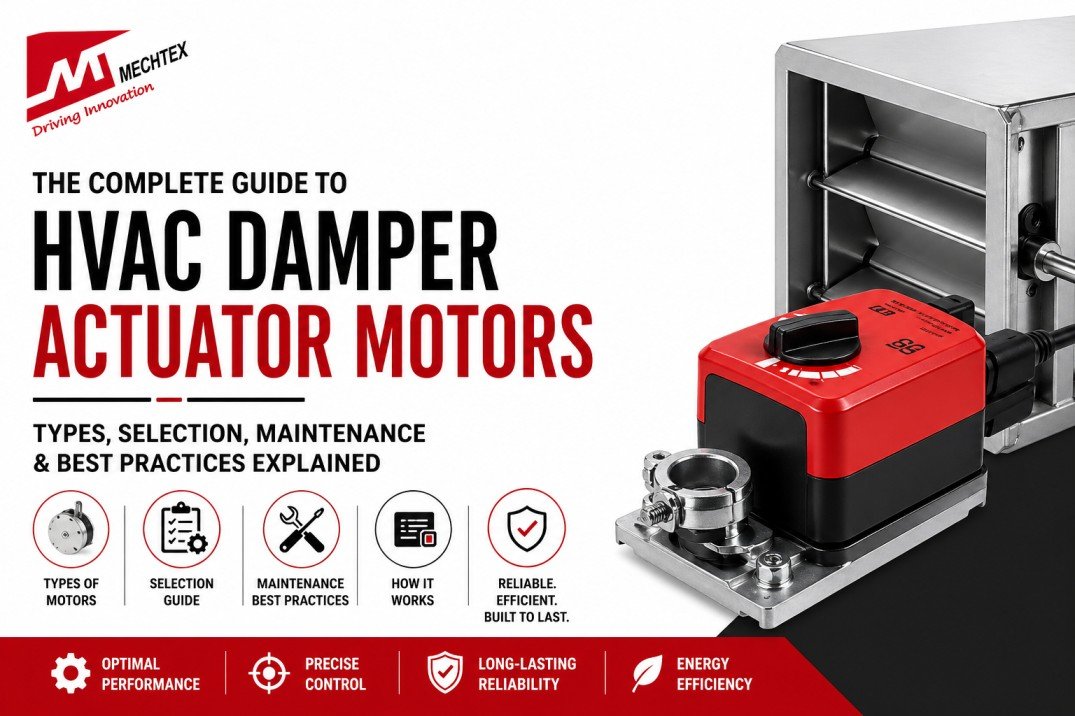
Dampers are mechanical devices installed in HVAC ducts to regulate and redirect the flow of air. They function like valves in HVAC systems. For controlling fresh air and balancing pressure zones, dampers are irreplaceable for modern heating systems.
At the core of every motorised damper, it is an actuator motor that physically rotates.
the blade of the damper.
In this blog, we will dive deep into every type of motor used in HVAC, helping engineers and manufacturers to make the right decision.
What Is a Damper Actuator?
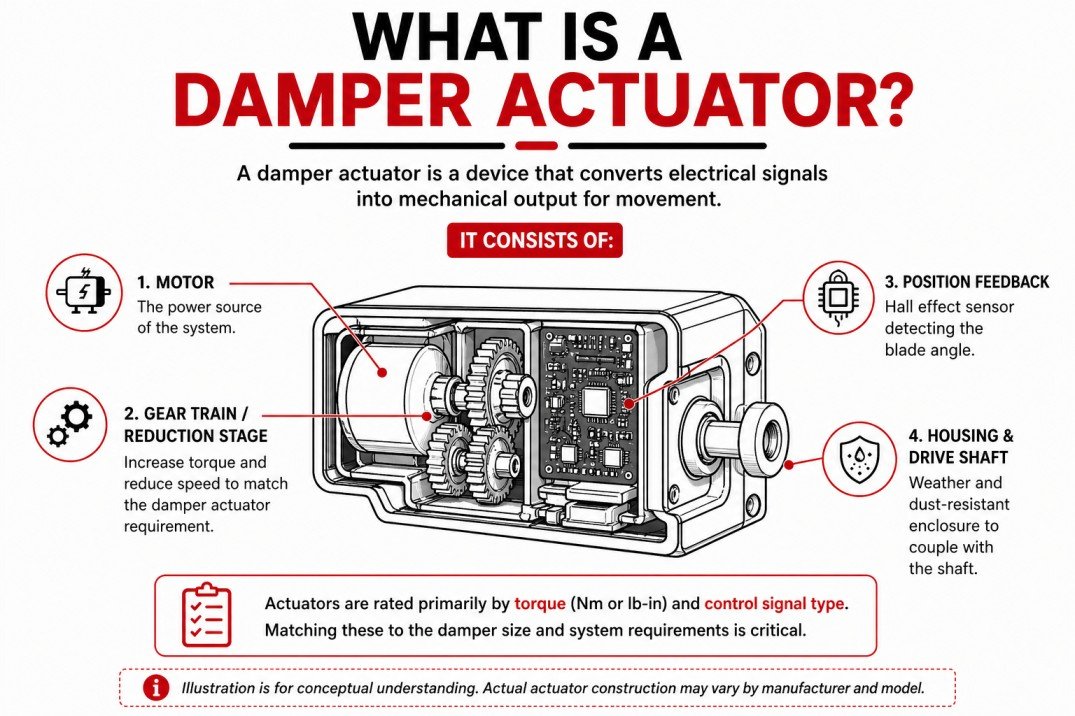
A damper actuator is a device that converts electrical signals into mechanical output for movement. It consists of:
Motor - the power source of the system
Gear Train / Reduction Stage - Increase torque and reduce speed to match the damper actuator requirement.
Position Feedback - Hall effect sensor detecting the blade angle
Housing & Drive Shaft - Weather and dust-resistant enclosure to couple with the shaft.
Actuators are rated primarily by torque (Nm or lb-in) and control signal type. Matching these to the damper size and system requirements is critical.
Types of Motors Used in HVAC Damper Actuators
HVAC damper actuators use various types of motors. The choice of motor affects torque, speed control, precision, and fail-safe capability. Below are the main categories of motors:
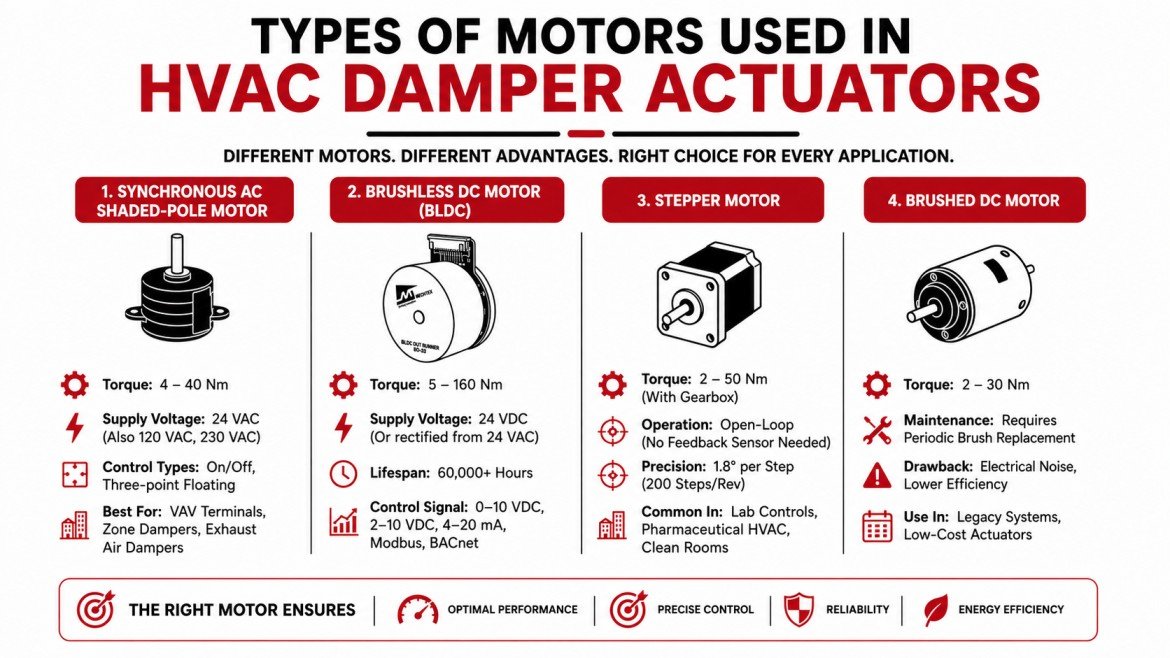
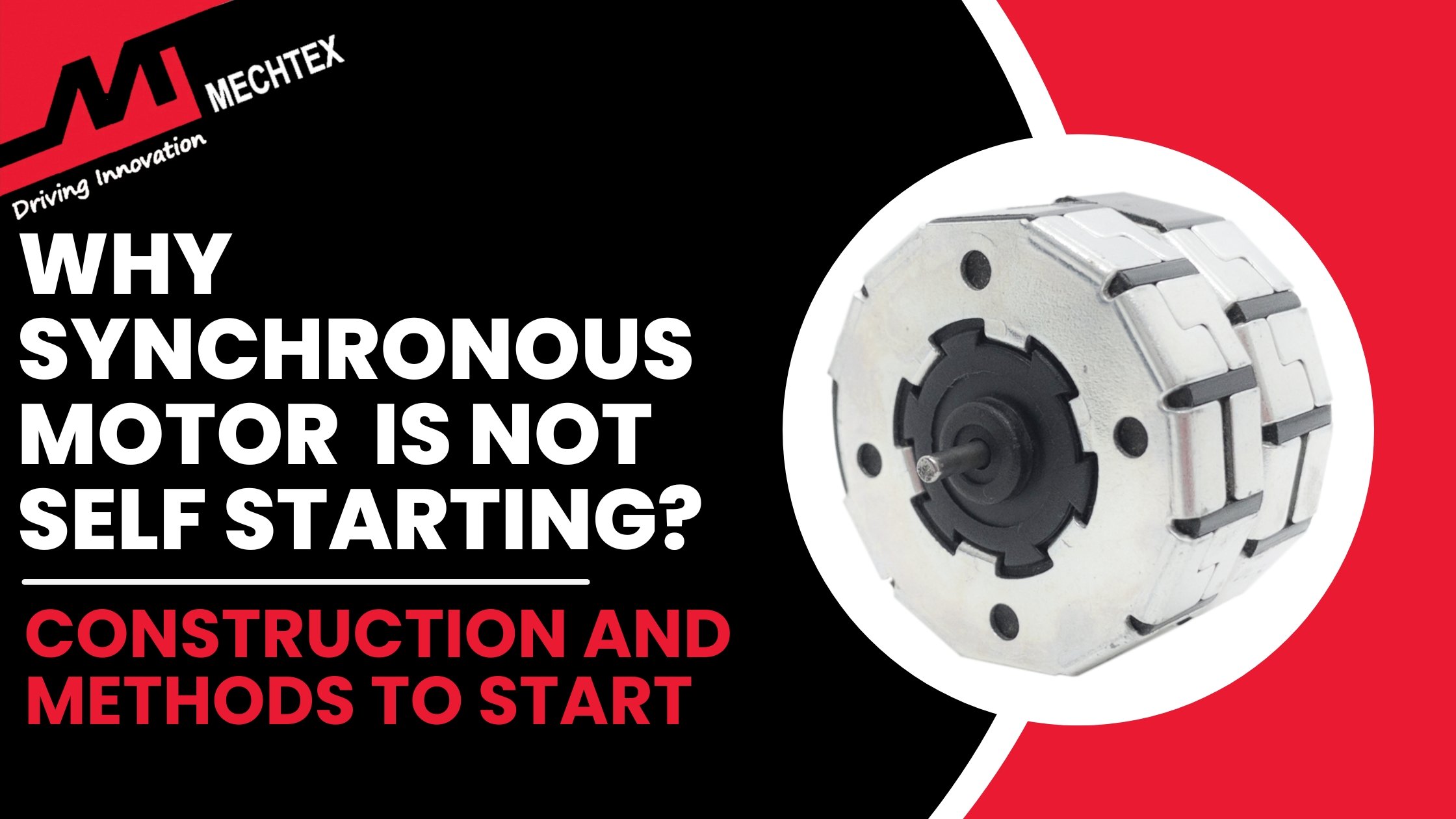
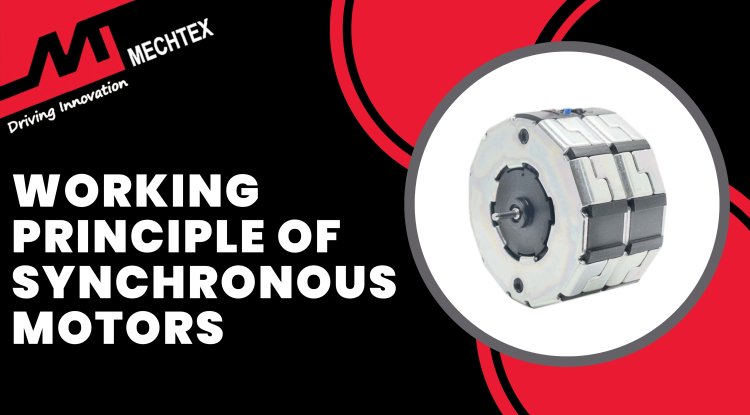
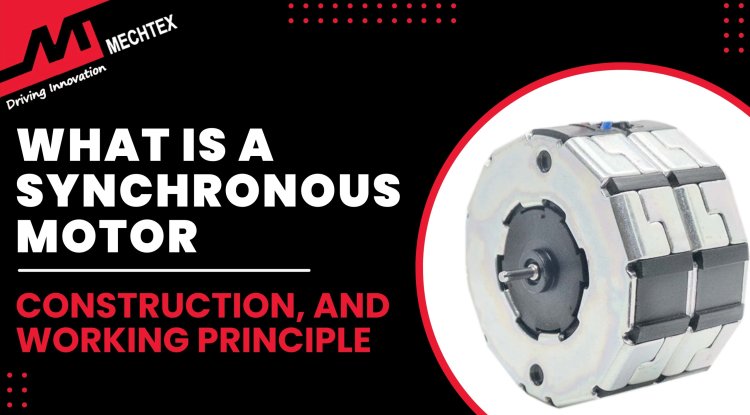
Synchronous AC Shaded-Pole Motor
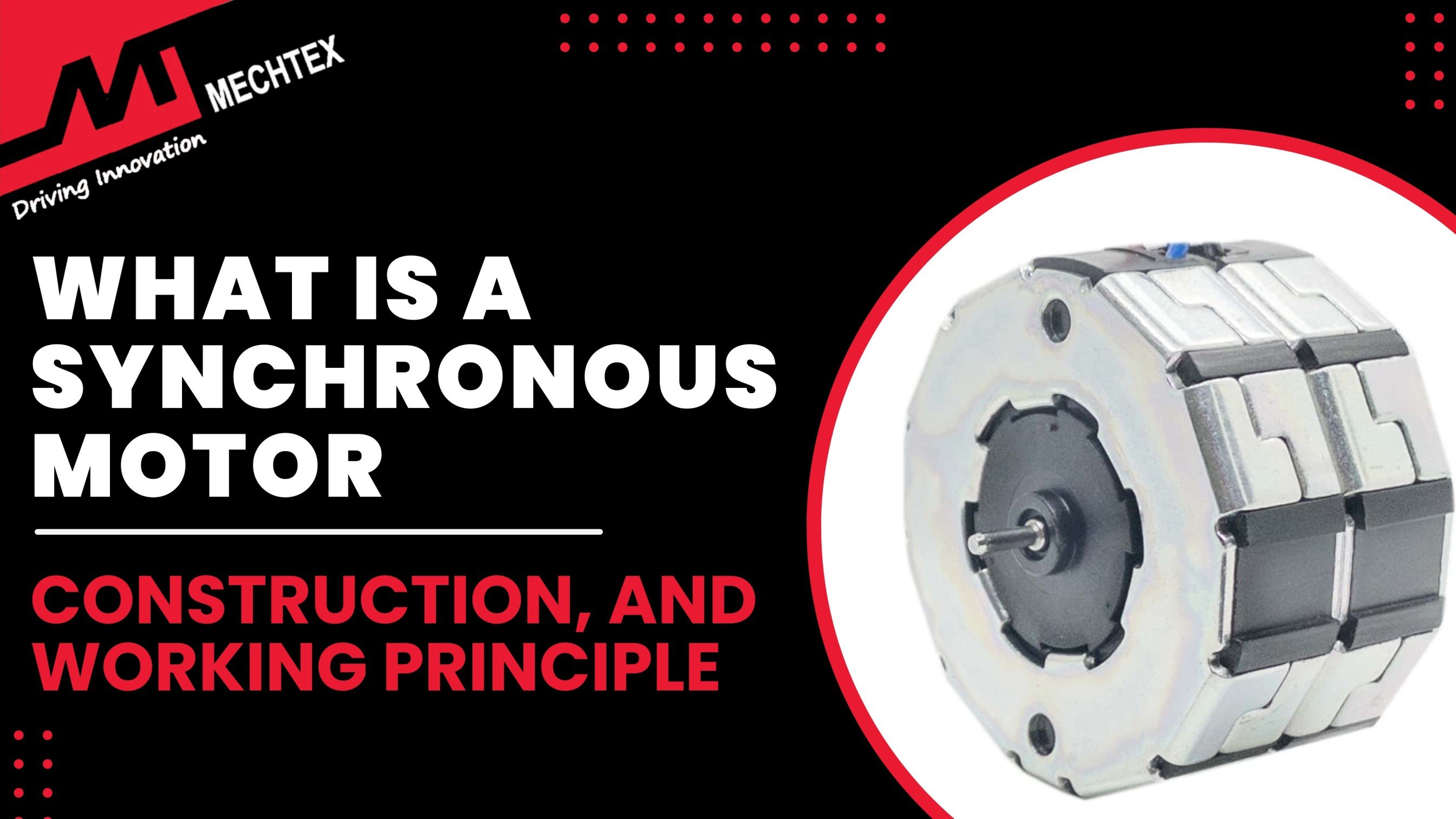
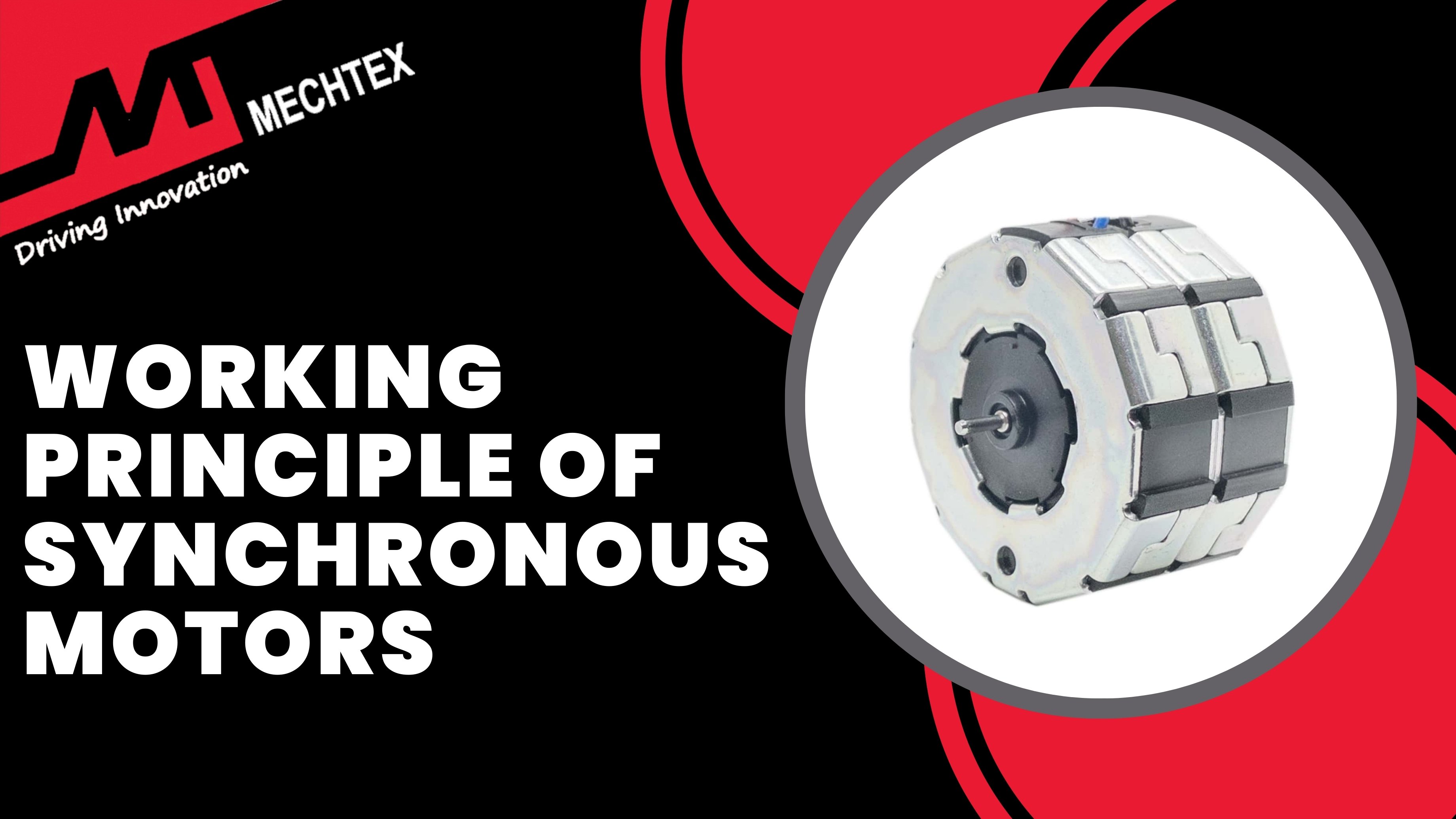
The shaded-pole AC synchronous motor is the simplest and traditional type of motor used in HVAC actuators. These motors operate at 24 VAC or 120/230 VAC and rotate at a fixed speed determined by the frequency of 50 and 60 Hz.
How it works: A copper “shading ring” on each pole creates a phase-wise magnetic field to generate rotation. There are no brushes and no commutator for rotation. Gear reduction brings the output shaft to 90-degree travel time.
- Typical torque: 4 - 40 Nm, depending on the gear train.
- Supply voltage: 24 VAC most common; also 120 VAC, 230 VAC
- Control types: On/Off, Three-point floating
- Best for: VAV terminals, zone dampers, exhaust air dampers
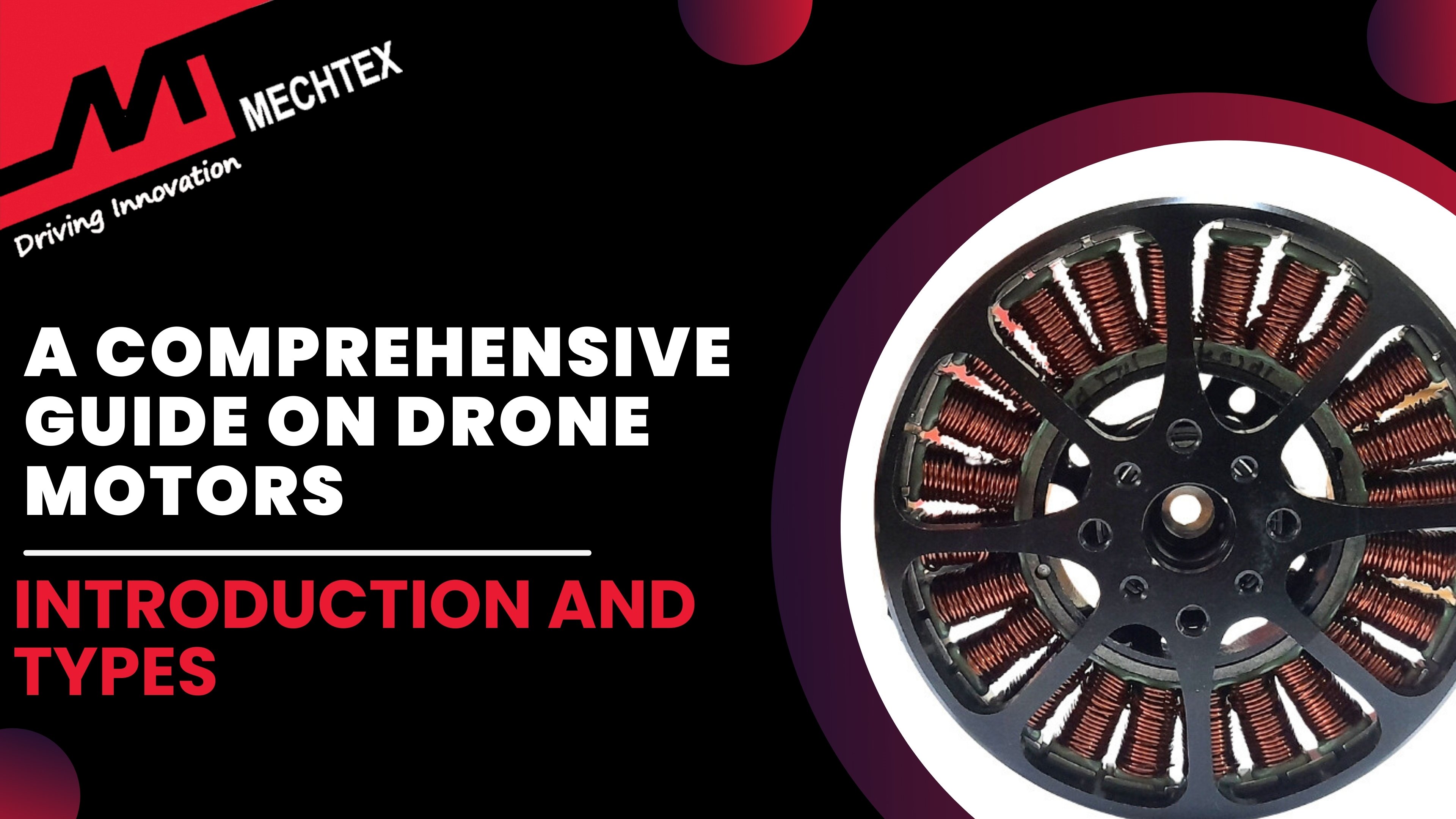
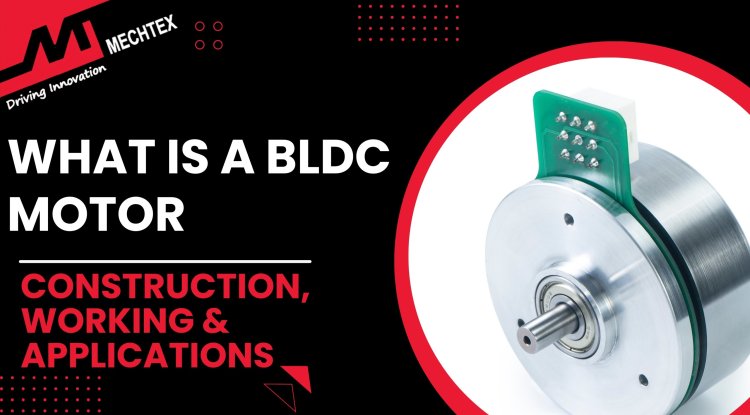
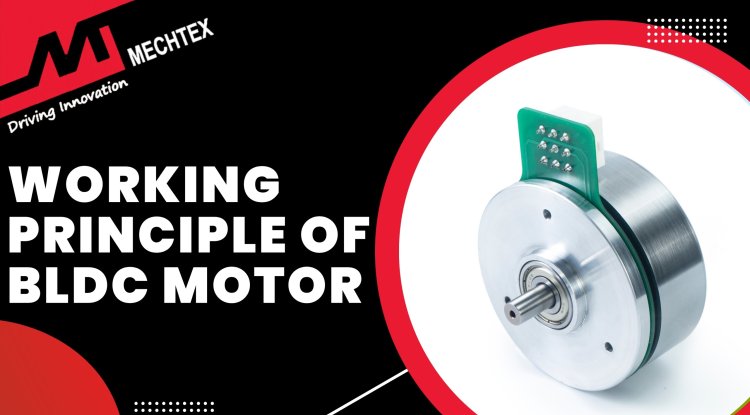
Brushless DC Motor (BLDC)
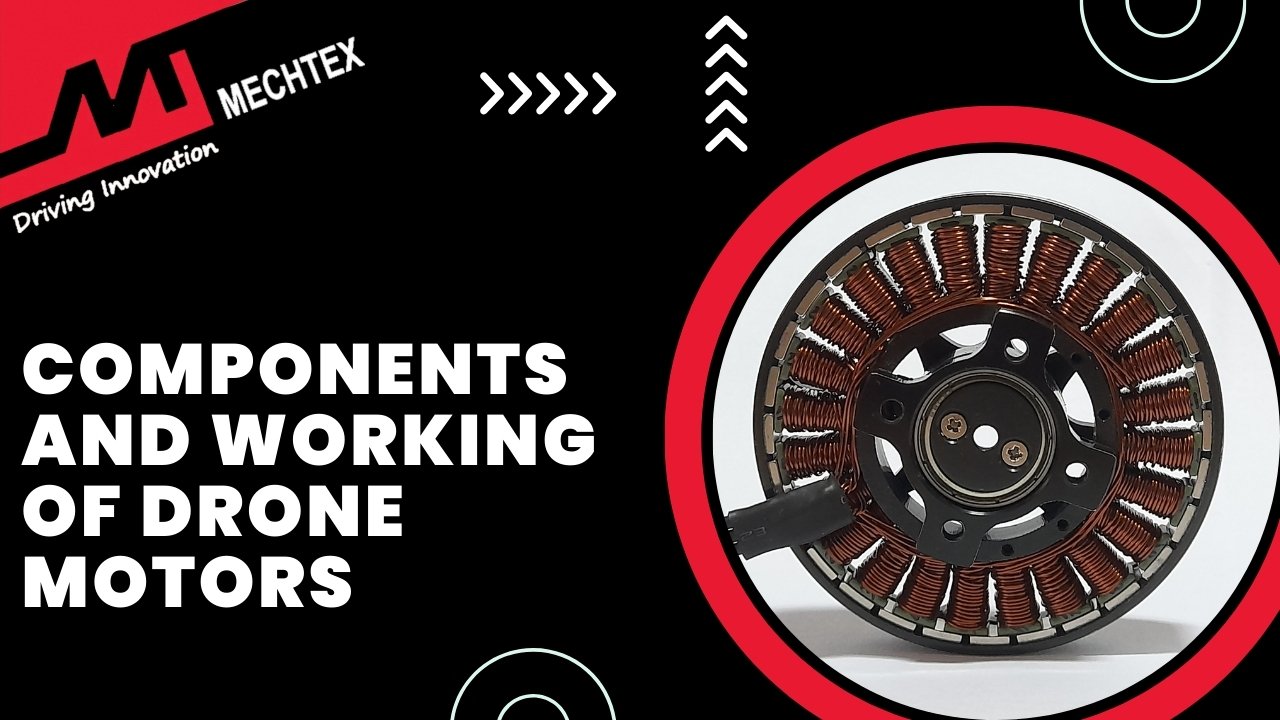
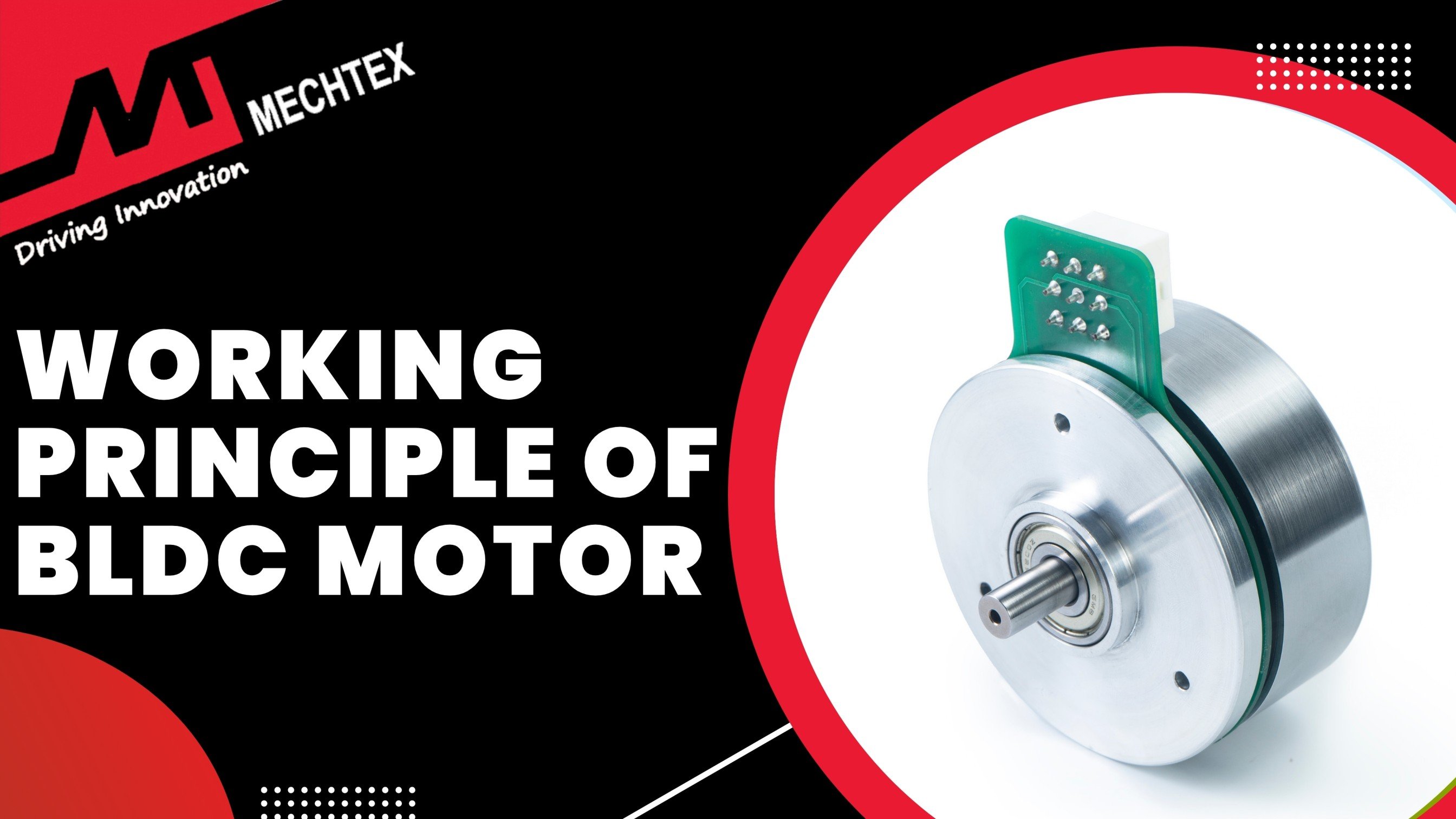
Brushless DC (BLDC) motors are the most important part of modern HVAC systems. They have a lot of benefits over brushed DC motors, such as being more efficient, lasting longer, and being able to change speed. Most BAS actuators (Belimo, Siemens, and Johnson Controls) use BLDC motors.
How it works: Electronic commutation replaces the brushes and commutators. The hall sensors send the signal to the controller to adjust the current in the motor phase precisely for smooth operation.
- Typical torque: 5–160 Nm
- Supply voltage: 24 VDC or internally rectified from 24 VAC
- Lifespan: 60,000+ operating hours
- Control signal: 0–10 VDC, 2–10 VDC, 4–20 mA, Modbus, BACnet
Stepper Motor
Stepper motors move in discrete steps, making them ideal for open-loop control systems. Each step is typically 1.8° (200 steps/revolution), and micro-stepping can achieve sub-degree precision. But if steps are missed due to overload, then it causes tracking errors.
In HVAC applications, stepper motors are used in high-precision VAV box actuators and laboratory fume hood controls where exact airflow is required.
- Torque range: 2–50 Nm (with gearbox)
- No feedback sensor needed for open-loop operation
- Common in lab controls, pharmaceutical HVAC, and clean rooms
Brushed DC Motor
Older HVAC actuators and some low-cost devices still use brushed DC motors. These require periodic brush replacement and are prone to electrical noise. They are being phased out in favour of BLDC in most new designs, but remain common in replacement parts for legacy systems.
How to Select the Right Actuator Motor
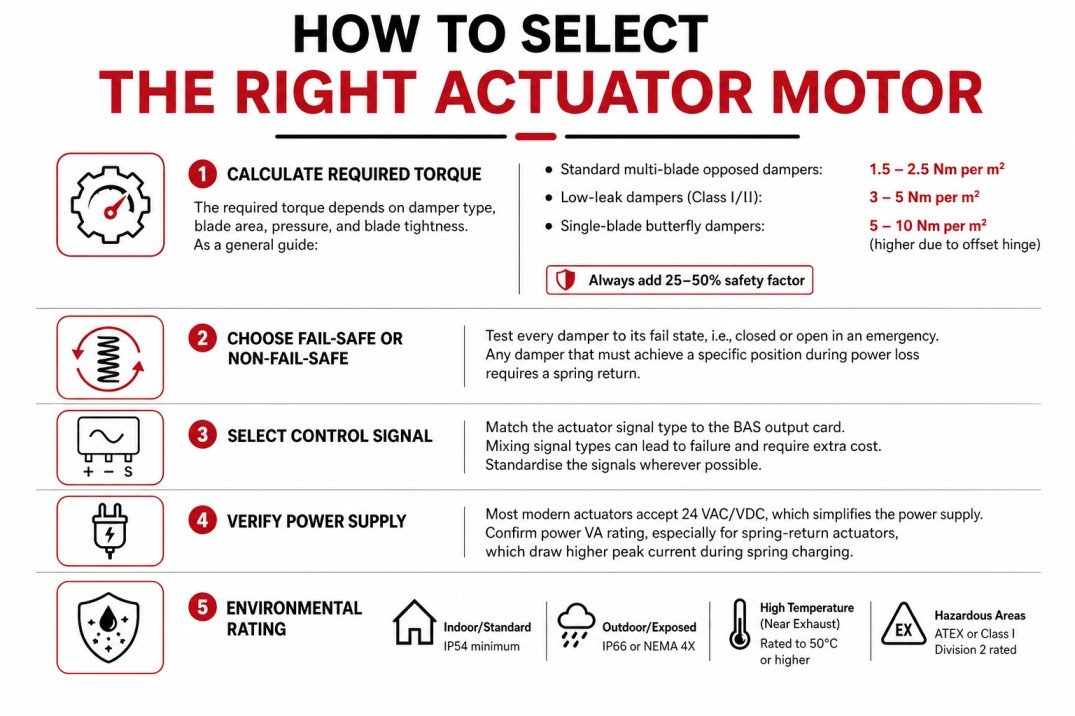
Selecting the right motor-actuator combination involves various independent parameters for continuous operation. Some important parameters are the following:
Calculate Required Torque: The required torque of the motor depends on the type of damper, blade area, pressure, and blade tightness. As a general guide:
- Standard multi-blade opposed dampers: 1.5–2.5 Nm per m² of blade area
- Low-leak dampers (Class I/II): 3–5 Nm per m²
- Single-blade butterfly dampers: 5–10 Nm per m² (higher due to offset hinge)
- Always add 25–50% safety factor
Choose Fail-Safe or Non-Fail-Safe: Test every damper to its fail state, i.e., closed or open in an emergency. Any type of damper that must achieve a specific stage during power loss requires a spring return.
Select Control Signal: Match the actuator signal type to the BAS output card. Mixing signal types can lead to failure and require an extra cost. Standardise the signals wherever possible.
Verify Power Supply: Most modern actuators accept 24 VAC/VDC, which simplifies the power supply. Confirm power VA rating, especially for spring-return actuators, which draw higher peak current during spring charging.
Environmental Rating:
- Indoor/standard: IP54 minimum
- Outdoor/exposed: IP66 or NEMA 4X
- High temperature (near exhaust): rated to 50°C or higher
- Hazardous areas: ATEX or Class I Division 2 rated
Actuator Motor Maintenance Best Practices
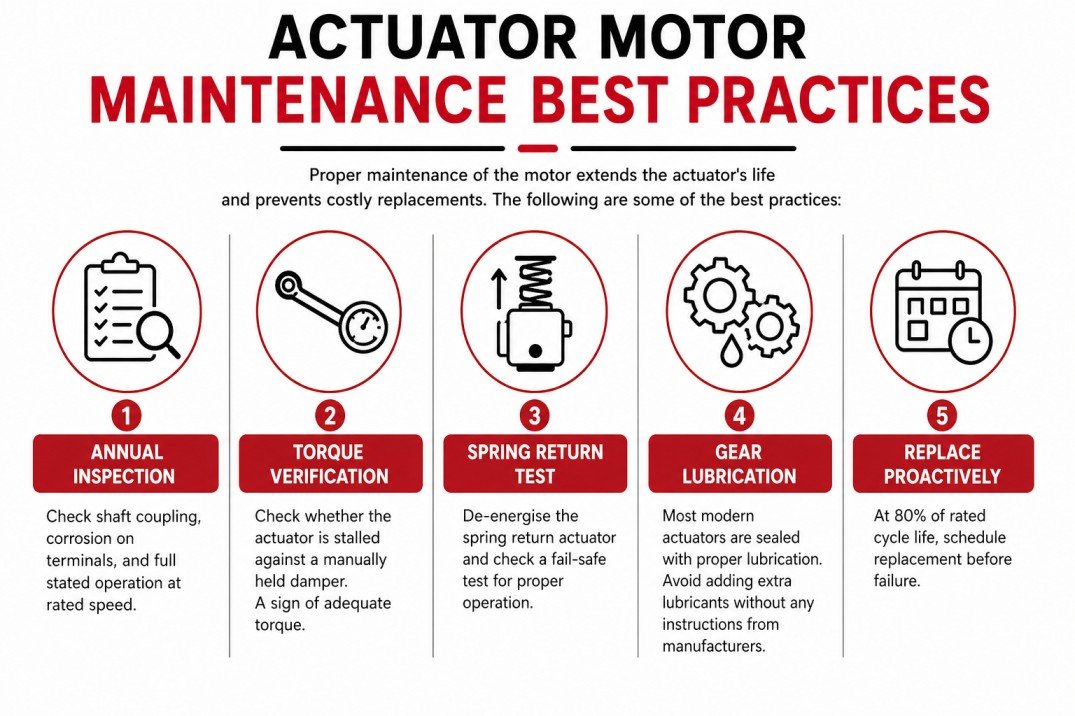
Proper maintenance of the motor extends the actuator's life and prevents costly replacements. The following are some of the best practices:
Annual inspection: Check shaft coupling, corrosion on terminals, and full stated operation at rated speed.
Torque verification: Check whether the actuator is stalled against a manually held damper. A sign of adequate torque
Spring return test: De-energise the spring return actuator and check a fail-safe test for proper operation.
Gear lubrication: Most modern actuators are sealed with proper lubrication. Avoid adding extra lubricants without any instructions from manufacturers.
Replace proactively: At 80% of rated cycle life, schedule replacement before failure.
Choosing the Right Motor Makes All the Difference
Motors are the unsung heroes of HVAC airflow control. Whether it's a simple synchronous AC motor switching a zone damper or a precision BLDC driving a laboratory fume hood, the right actuator motor ensures comfort, safety, and energy efficiency across the life of the building. Use this guide as your reference point, and always verify with manufacturer datasheets for final selection.